
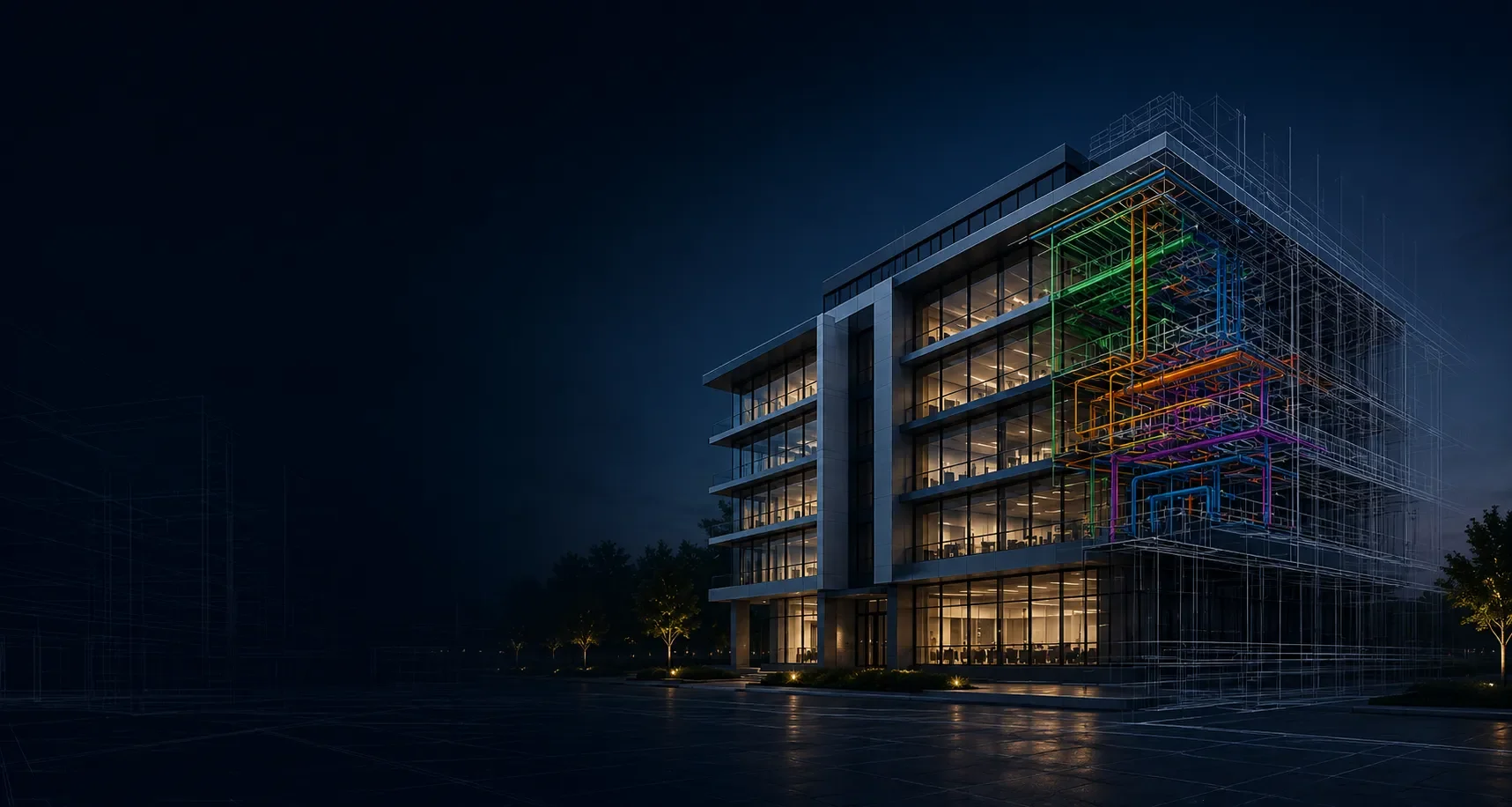
BIM PROFESSIONAL PROGRAM
DECEMBER 2026 · PRE-REGISTRATION OPEN
Build BIM Capability That Holds Up on
Real Projects
A 28-week live online program developing project-delivery capability across Architecture, MEPF and Civil through guided project work and integrated studio learning.
Live-session timetable will be published before formal applications open. Recordings available for structured review.
28 Weeks
Structured learning journey
Live Online + Guided Project Work
Delivery model
15–18 Hours /Week
Expected commitment
Architecture · MEPF · Civil
Three pathways
Maximum 25
Students
December 2026
Target cohort
28 Weeks
Structured learning journey
Live Online + Guided Project Work
Delivery model
15–18 Hours /Week
Expected commitment
Architecture · MEPF · Civil
Three pathways
Maximum 25
Students
December 2026
Target cohort
THE SYSTEM BEHIND THE PROGRAM
A Program Built as a Complete Educational System
Curriculum, studio learning, teaching standards and assessment designed to work together — not assembled as isolated modules.
01
Connected Curriculum
Foundation · Discipline Development · Integrated Project Studio
02
Integrated Studio
Multidisciplinary work · review cycles · final presentation
03
Assessment Standards
Technical quality · information reliability · professional judgement · communication
04
Consistent Teaching Standards
Aligned objectives · delivery expectations · feedback principles
05
Academic Quality & Improvement
Review, reflection and continuous refinement
Academic quality commitments
Curriculum Review Before Every Cohort
Program content is reviewed and refined before each cohort begins.
Instructor Preparation & Alignment
Teaching teams work to common standards of delivery, review and assessment.
Structured Studio Reviews Every Three Weeks
Review cycles are intentionally built into the learning journey.
Final Review With Industry Participation
Two industry jurors contribute an external perspective during the final evaluation process.
Post-Cohort Feedback & Improvement
Learner feedback and delivery reflection inform ongoing curriculum improvement.

PROGRAM DIRECTION
18 YEARS · INTERNATIONAL
Led by a practicing BIM, VDC and Digital Construction leader with international experience across North America, the Middle East and Southeast Asia, guiding the program’s overall curriculum, standards and studio direction.
INDUSTRY PERSPECTIVE
PRACTITIONER INPUT
The curriculum and learning approach are also shaped through input from practicing professionals across different disciplines and project-delivery environments.
THE BIM PROFESSIONAL PROGRAM
Build the Foundation. Develop Your Discipline. Deliver in an Integrated Studio.
A 28-week learning journey that begins with shared BIM foundations, develops discipline depth across Architecture, MEPF or Civil, and culminates in multidisciplinary project work.
PROGRAM STRUCTURE
PHASE 01 · 6 WEEKS
Shared Foundation
Common BIM and project-delivery foundation
PHASE 02 · 12 WEEKS
Discipline Development
Build depth within your selected pathway
PHASE 03 · 10 WEEKS
Integrated Project Studio
Apply discipline capability within multidisciplinary delivery
Shared Foundation → Discipline Depth → Multidisciplinary Project Delivery
Discipline Pathways

01
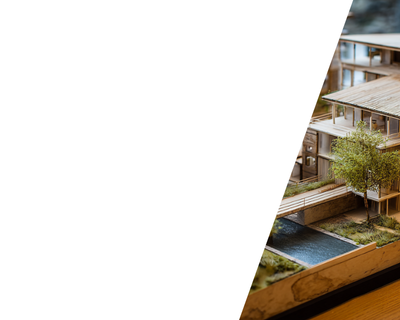
Architecture
Design Intent → Information → Documentation → Coordination
Architectural modelling, coordinated information, documentation and design communication within a project context.
02
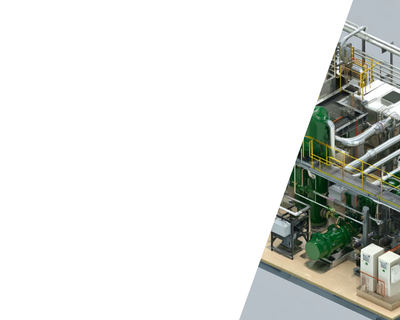
MEPF
Systems Logic → Spatial Coordination → Constructability → Delivery
Building-services information, coordination, spatial decision-making and project-delivery awareness.

03
Civil
Existing Conditions → Terrain → Infrastructure → Interfaces
Site and infrastructure information, existing-condition understanding and coordinated civil interfaces.
EMERGING DIGITAL CONSTRUCTION TECHNOLOGIES & WORKFLOWS
Future-Facing Capability, Built Into the Program
All students, regardless of discipline pathway, are introduced to these technologies and workflows where they strengthen project understanding, information quality and delivery decisions.
REALITY CAPTURE
Point-cloud awareness · existing conditions · model verification
IMMERSIVE DESIGN REVIEW
Model-based spatial review · coordination understanding · design communication
AI in BIM & VDC
AI-assisted information review · workflow support · responsible use
AUTOMATION & DATA WORKFLOWS
Rule-based processes · structured project data · repetitive-task automation
OPEN BIM & INFORMATION VALIDATION
IFC · interoperability · machine-readable requirements · validation awareness
DIGITAL TWIN & LIFECYCLE AWARENESS
Information continuity · handover context · downstream operational use
Integrated into project-delivery learning — not treated as standalone technology demonstrations.
WHO BELONGS HERE
Different Starting Points. One Serious Commitment to Digital Construction.
The BIM Professional Program is designed for learners who want to move beyond isolated software skills and build a clearer understanding of how BIM work contributes to real project delivery.

AEC Students & Recent Graduates
Build BIM and project-delivery understanding before entering or early in professional practice.

Early-Career BIM / AEC Professionals
Move beyond model production toward coordination, information management and project-support responsibilities.

AEC Professionals Transitioning Into BIM / VDC
Translate existing architecture, engineering, construction, CAD or discipline knowledge into connected digital-delivery workflows.
A STRONG FIT IF…
You want to understand not only how BIM work is produced, but how it is coordinated, communicated and used within projects.
Probably not the right fit if…
You are looking only for a short software-command course or a fully self-paced video library.
WHY AUSARTAN
Built From Practice. Designed With Responsibility.
AUSARTAN is built around a simple belief: Digital Construction education should reflect how projects are actually understood, coordinated, reviewed and delivered — not how software menus are organised.
FOUR INSTITUTIONAL CHOICES
01
Project Before Software
Learning begins with project needs, information and coordination responsibilities. Software is introduced in service of those outcomes.
02
Practice Before Promotion
The program is shaped by real BIM, VDC and Digital Construction practice rather than exaggerated promises about employment or expertise.
03
Depth Before Scale
A focused cohort, discipline development and integrated studio work are prioritised over high-volume, one-size-fits-all delivery.
04
Responsibility Before Claims
Credentials, outcomes, partnerships and career support are communicated only when they can be explained clearly and supported honestly.
WHAT THIS MEANS FOR THE LEARNER
You are not joining a software course. You are entering a structured learning environment designed to develop how you think, communicate and contribute within Digital Construction projects.
PROJECT CONTEXT
Understand why the work matters before learning how to produce it.
PROFESSIONAL JUDGEMENT
Learn to explain decisions, interfaces, constraints and consequences.
VISIBLE EVIDENCE
Build work that shows process, revision and professional reasoning — not only polished outputs.
THE LEARNING EXPERIENCE
Live Learning. Connected Project Work. Structured Feedback.
Learning is designed as an active cycle — understand the project context, apply the workflow, review the work, refine it and learn to explain the decisions behind it.
THE LEARNING CYCLE
01
Understand
Project context, concepts and why the workflow matters.
02
Apply
Guided pratice turns concepts into project- based work
03
Review
Work is examinated through critique, discussion and feedback
04
Refine
Students respond to feedback and improve the qyuality of the work.
05
Explain
Students learn to communicate decisions, reasoning and outcomes clearly
Not watch-and-repeat learning: the work develops through application, feedback and revision.
WHAT SUPPORTS THE LEARNING
Live Expert Sessions
Concepts, workflows and project context explained through interactive teaching.
Cohort Collaboration
Students learn alongside others and gain awareness of different discipline perspectives.
Guided Project Work
Applied work develops within an evolving project environment rather than disconnected exercises.
LMS Resources & Recordings
Resources and recordings support preparation, continuity and structured review.
RECORDINGS SUPPORT LEARNING — THEY DO NOT REPLACE ACTIVE PARTICIPATION.
Interactive reviews, collaborative activities and presentations remain participation-based.
THE INTENDED EXPERIENCE
Students should leave each cycle with stronger work — and a clearer understanding of why it improved.
Ask Better Questions
Understand the problem before reaching for the tool.
Act on Feedback
Use critique as part of the learning process, not as a final correction.
Communicate The Work
Explain what changed, why it changed and what it means for the project.
THE LEARNING EXPERIENCE
Live Learning. Connected Project Work. Structured Feedback.
Learning is designed as an active cycle — understand the project context, apply the workflow, review the work, refine it and learn to explain the decisions behind it.
THE LEARNING CYCLE
01
Understand
Project context, concepts and why the workflow matters.
02
Apply
Guided pratice turns concepts into project- based work
03
Review
Work is examinated through critique, discussion and feedback
04
Refine
Students respond to feedback and improve the qyuality of the work.
05
Explain
Students learn to communicate decisions, reasoning and outcomes clearly
Not watch-and-repeat learning: the work develops through application, feedback and revision.
WHAT SUPPORTS THE LEARNING
Live Expert Sessions
Concepts, workflows and project context explained through interactive teaching.
Cohort Collaboration
Students learn alongside others and gain awareness of different discipline perspectives.
Guided Project Work
Applied work develops within an evolving project environment rather than disconnected exercises.
LMS Resources & Recordings
Resources and recordings support preparation, continuity and structured review.
RECORDINGS SUPPORT LEARNING — THEY DO NOT REPLACE ACTIVE PARTICIPATION.
Interactive reviews, collaborative activities and presentations remain participation-based.
THE INTENDED EXPERIENCE
Students should leave each cycle with stronger work — and a clearer understanding of why it improved.
Ask Better Questions
Understand the problem before reaching for the tool.
Act on Feedback
Use critique as part of the learning process, not as a final correction.
Communicate The Work
Explain what changed, why it changed and what it means for the project.
PROGRAM OUTPUTS & PORTFOLIO STANDARD
Capability Should Be Visible.
The program is designed to leave students with evidence of how they model, coordinate, manage information, respond to issues and communicate project decisions — not simply a record of software exercises.
WHAT STUDENTS PRODUCE
01
Discipline BIM Model
Evidence of discipline-specific modelling and information development.
02
Coordinated Documentation
Drawings and information produced from a coordinated project model.
03
Issue & Decision Record
A traceable record of identified issues, decisions and responses.
04
Information Management Evidence
Examples showing structured information, collaboration and delivery discipline.
05
Integrated Studio Submission
Multidisciplinary project evidence developed through the final studio.
06
Professional Portfolio
Curated project evidence showing process, judgement, revision and outcomes.
07
Final Presentation
A clear explanation of the work, decisions, learning and final project evidence.
THE PORTFOLIO STANDARD
Show the Work. Show the Thinking.
The portfolio should make capability legible to another professional — not hide the process behind polished final images.
Technical Quality
Information Reliability
Professional Communication
Coordination Judgement
Evidence of Revision
Presentation Quality
PROGRAM OUTPUTS & PORTFOLIO STANDARD
Capability Should Be Visible.
The program is designed to leave students with evidence of how they model, coordinate, manage information, respond to issues and communicate project decisions — not simply a record of software exercises.
WHAT STUDENTS PRODUCE
01
Discipline BIM Model
Evidence of discipline-specific modelling and information development.
02
Coordinated Documentation
Drawings and information produced from a coordinated project model.
03
Issue & Decision Record
A traceable record of identified issues, decisions and responses.
04
Information Management Evidence
Examples showing structured information, collaboration and delivery discipline.
05
Integrated Studio Submission
Multidisciplinary project evidence developed through the final studio.
06
Professional Portfolio
Curated project evidence showing process, judgement, revision and outcomes.
07
Final Presentation
A clear explanation of the work, decisions, learning and final project evidence.
THE PORTFOLIO STANDARD
Show the Work. Show the Thinking.
The portfolio should make capability legible to another professional — not hide the process behind polished final images.
Technical Quality
Information Reliability
Coordination Judgement
Evidence of Revision
Presentation Quality
Professional Communication
CAREER & PROFESSIONAL DEVELOPMENT
Technical Capability Is Only Part of Professional Readiness.
The program also helps students develop the professional behaviours, communication and job-search readiness needed to present their capability clearly and participate effectively in BIM and Digital Construction environments.
From
Technical Learning
Toward the ability to communicate, position and apply that capability in professional contexts.
To
Professional Readiness
Communicate the Work
Explain project information, decisions and technical work clearly to different audiences.
Project communication·review & presentation
Position Yourself
Translate capability into a clear professional profile that employers can understand.
CV · LinkedIn · professional positioning
Prepare for Selection
Develop confidence in interviews, technical conversations and presenting your experience.
Interview preparation · professional conversations
Understand the Profession
Build awareness of workplace expectations, role pathways and continued development.
Professional behaviour · practitioner perspectives
THE DISTINCTION
Career Development Is More Than a Final CV Workshop.
The objective is to help students connect technical capability with professional communication, role awareness and the ability to present themselves credibly.
Junior BIM Specialist
BIM Project Support
Discipline BIM Modeller
Coordination Support
Digital Delivery Support
Clear boundary: Career support strengthens readiness. It does not guarantee placement, interviews or employment.
CREDENTIAL & PROFESSIONAL STANDARDS
A Clear Credential. Grounded in Professional Practice.
Completion should communicate what program was undertaken, which discipline pathway was completed, and the professional standards and information practices students were introduced to along the way.
The program credential
Certificate of Professional Completion
BIM Professional Program
Architecture
MEPF
Civil
What the credential communicates: Completion of the BIM Professional Program and the student’s selected discipline pathway. It is a program-completion credential — not professional licensure, statutory certification or a guarantee of employment.
Professional standards & information practices
Standards Awareness That Connects BIM to Delivery
Students are introduced to the standards, exchange principles and information-management practices that shape professional BIM delivery.
ISO 19650 Awareness

Information management principles and terminology
Common Data Environments
Structured information sharing and status awareness
Model Coordination
Coordinated review, issue communication and resolution
BIM Execution Planning
Purpose, responsibilities and delivery planning
OpenBIM / IFC
Interoperability and model-independent information exchange
Handover & Lifecycle
Information continuity beyond design and coordination
THE DISTINCTION
The Credential Names Completion. The Work Demonstrates Capability.
A certificate confirms successful completion of the program. The stronger evidence remains the student’s models, documentation, project records, integrated studio work and professional portfolio.
ADMISSIONS
Guide Before Admit.
Admissions are designed to help applicants understand the program, assess fit and make an informed decision before committing to a demanding 28-week learning journey.
04
Interview
Used where additional discussion is helpful.
05
Offer
Receive an admissions decision and next steps.
06
Enrollment
Confirm your place in the cohort.
01
Guidance
Understand the program and discuss fit.
02
Application
Submit your background and pathway interest.
03
Review
AUSARTAN reviews readiness and alignment.
The guidance conversation comes first because fit matters on both sides.
PRACTICAL CLARITY BEFORE YOU COMMIT
What Applicants Should Know
Target Cohort
December 2026
Delivery
Live online + guided project work
Cohort Size
Maximum 25 students
Expected Commitment
15–18 hours per week
BEFORE YOU APPLY
Computer requirements
Software access
Technical readiness
Live participation
CURRENT-STAGE TRANSPARENCY
What Will Be Published Before Formal Applications Open
Application Dates
Opening and closing dates for the first formal application cycle.
Live Timetable
Session schedule in India Standard Time, with working-professional accessibility considered.
Tuition & Payment
Full tuition, payment schedule and applicable payment options.
Selective Not Exclusionary
Admissions are consultative and fit-based. The objective is to help applicants understand whether the program matches their goals, readiness and available commitment.
PRE-REGISTRATION OPEN · DECEMBER 2026 TARGET COHORT
Start with clarity before you apply.