
CAREER & PROFESSIONAL DEVELOPMENT
Professional development is built into the learning journey.
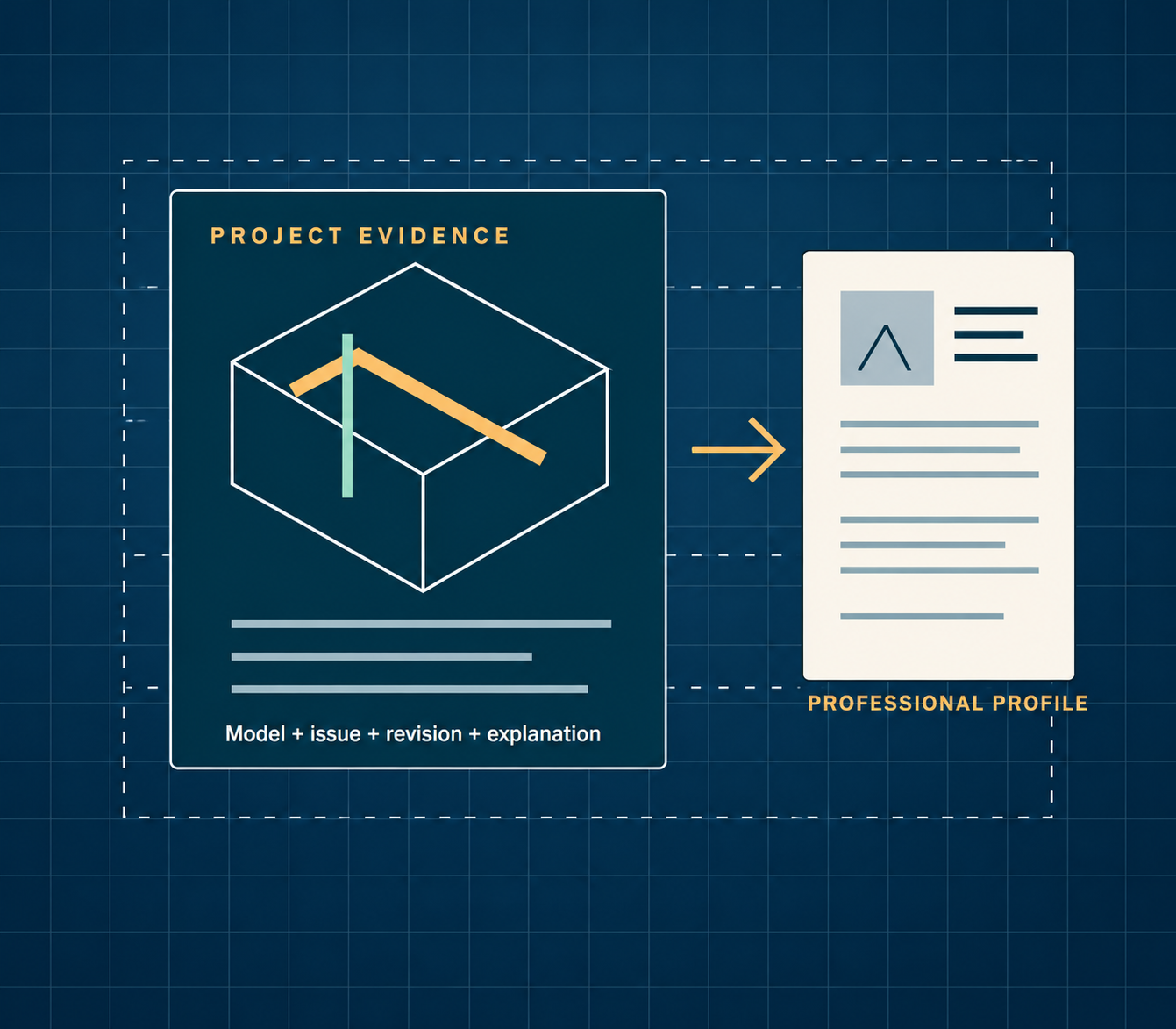
WORK → EVIDENCE → PROFESSIONAL COMMUNICATION
Conceptual diagram · Existing live imagery to be retained
From Day One, explore possible careers across architecture, engineering and construction (AEC), receive individual CV and LinkedIn guidance, practise interviews and learn to research relevant opportunities—including responsible use of AI tools.
Career conversations from Day One · CV and LinkedIn reviews · Mock interview practice · Guided opportunity research
More than software proficiency.
Professional readiness develops through ownership, feedback, project communication, work presentation and informed guidance about realistic early-career pathways.
01 / CAREER DEVELOPMENT AT A GLANCE
Career guidance that starts with your goals.
Career development begins on Day One. These six forms of support help you build confidence, understand opportunities and present what you can contribute.
01 / FROM DAY ONE
Career conversations from Day One
Discuss your goals, current experience and realistic BIM career directions throughout the program.
02 / PERSONAL PROFILE
CV & LinkedIn guidance
Receive an individual CV review and guidance to present your skills, project contributions and professional profile.
03 / INTERVIEW PREPARATION
Practice with feedback
Take part in structured mock interviews and practise explaining your work with greater confidence.
04 / OPPORTUNITY RESEARCH
Explore opportunities with AI
Learn responsible ways to use AI tools to research roles, compare requirements and make a more informed search plan.
05 / EVIDENCE & COMMUNICATION
Explain your project work
Translate actual project decisions, revisions and contributions into credible professional evidence.
06 / CAREER DIRECTION
Plan realistic next steps
Understand early-career role pathways and where your existing background can help you progress.
02 / DEVELOPING PROFESSIONAL BEHAVIOURS
Work others can depend on starts with habits.
Students encounter these expectations during studio work, reviews and collaboration—not only in career workshops.
Ownership & accountability
01
Complete assigned work, manage deadlines and follow through on agreed actions.
Clear communication
02
Explain information, issues and required actions without avoidable ambiguity.
Collaboration
03
Work constructively across disciplines, perspectives and priorities.
Structured problem-solving
04
Investigate causes, evaluate options and present considered responses.
Responsiveness to feedback
05
Improve work after critique and communicate what changed.
Professional reliability
06
Prepare carefully, raise concerns early and maintain consistent information quality.
These are behaviours students practise through project work—not separate credentials or guarantees of professional performance.
03 / DURING THE LEARNING JOURNEY
Professional exposure begins before graduation.
Context comes through project reviews, practitioner perspectives and structured conversations—not claims of guaranteed interviews.
Practitioner perspectives
Understand how BIM and Digital Construction responsibilities appear in real project environments.
Project reviews
Present developing work for critique and learn how quality and clarity are evaluated.
Portfolio feedback
Improve how your project evidence communicates capability to reviewers.
Industry context
Discuss how expectations differ by discipline, project type, employer and region.
Professional conversations
Practise asking informed questions and responding to professional feedback.
Guest contributors and specific practitioner sessions will be announced for each cohort when scheduled. They do not constitute guaranteed employer access, recruitment interviews or placement.
04 / PROJECT EVIDENCE → PROFESSIONAL POSITION
Make your work understandable to employers.
The BIM Professional Program develops project-based work. Career Development helps you turn that work into credible portfolio evidence, stronger CV and LinkedIn profiles, and clearer technical interview conversations.
Project evidence
Select accurate project views, outputs, issues and revision evidence, then explain what you personally contributed.
Professional profile
Receive individualized CV review and guidance for presenting your verified work clearly on LinkedIn and in your portfolio.
Mock interviews
Practise technical and professional questions in structured mock interviews, with feedback on how you explain your work.

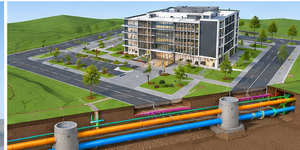
Context → contribution → evidence. A portfolio should explain the project, the learner’s own role and the reasoning behind the work.
Illustrative presentation format—not a student portfolio, employer-endorsed project or verified delivery record.
Show how you work
Describe your project context, responsibilities, decisions, revisions and final contribution—not only the software you used.
Explain how you think
Prepare to discuss technical choices, respond to questions and explain lessons learned during structured mock interviews.
Understand where you can contribute
Relate your project evidence and previous experience to realistic roles and areas for continued development.
EXAMPLES OF RELEVANT EARLY-CAREER DIRECTIONS
Junior BIM Specialist
Discipline BIM Modeller
BIM Project Support
Coordination Support
Digital Delivery Support
For recent graduates: build your first evidence-led professional profile. For junior CAD/BIM/AEC professionals: connect existing experience and new project work to your next responsibilities.
These are possible role directions, not guaranteed titles, hiring results or work eligibility.

Career support should help students represent real capability clearly—not claim an employment outcome we cannot control.
05 / A COMMUNITY DEVELOPING OVER TIME
Professional relationships grow through participation.
The founding cohort begins the first layer of an institute community. This is a development intention, not an established alumni network.
Cohort relationships
Learn alongside people from different disciplines and experiences.
Founding alumni layer
Early graduates may help shape future knowledge exchange and professional connections.
Continued learning
Selected future talks, updates and learning opportunities may be introduced as resources develop.
Local and global context
Develop globally useful awareness while respecting local rules, hiring practices and work authorization.
Professional contribution
Future alumni may participate in peer support, student reviews and experience sharing.
Participation opportunities, format and frequency will evolve as cohorts graduate and the community develops.
06 / CREDIBILITY AND BOUNDARIES
Clear about what support can—and cannot—promise.
AIDC provides portfolio and profile guidance, individualized CV reviews, mock interviews and realistic career direction. These services support professional preparation; employers make their own hiring decisions. Employment, recruitment interviews and placement are not guaranteed.
07 / PRACTICAL QUESTIONS
Career-development questions.
-
No. Career-development support helps students build and communicate professional capability. Employment decisions depend on employers, relevant experience, market conditions, location and work eligibility.
-
Career Development includes individualized CV reviews, LinkedIn profile guidance, portfolio-development feedback, and structured mock interviews. Students also practise explaining technical work, communicating project responsibilities and exploring realistic role directions. These activities are integrated with the learning experience.
-
The program is designed to develop project-based work that students can organize and explain, including context, individual contribution, review outcomes and revision—not just model screenshots.
-
No. Structured mock interviews are educational preparation sessions with feedback on how you discuss your work and professional decisions. Practitioner interactions may also be offered when scheduled, but neither activity guarantees a recruitment interview, job offer or placement.
-
Yes. Recent graduates can build a first evidence-led professional profile, while junior CAD, BIM or AEC professionals can learn to present existing responsibilities alongside newer BIM project work. Specific job requirements still depend on employers and the relevant discipline.
-
The project workflows and professional habits aim to be widely relevant, but job titles, regulations, standards and work-authorization requirements differ by country and region.
-
AIDC intends to develop an alumni and professional community over time. Specific events, access arrangements and continuing support will be announced as established.
YOUR NEXT STEP
Build work you can explain, demonstrate and keep developing.
Explore the full BIM Professional Program or discuss your background and the professional direction you want to develop.
Pre-registration is an expression of interest and does not reserve a place. Career-development support does not guarantee employment or placement.